
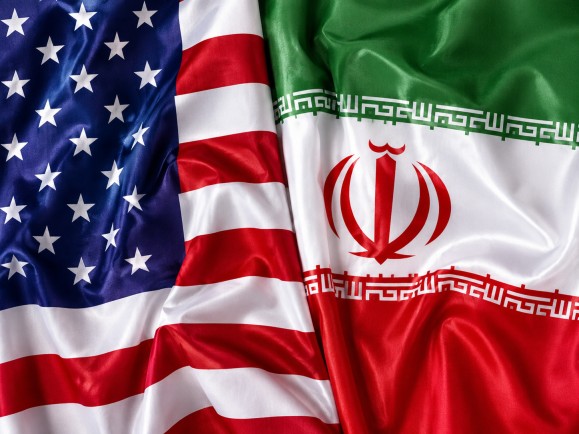
Amid mounting criticism from Republican leaders, US President Donald Trump has defended ongoing negotiations with Iran regarding a potential agreement to resolve the conflict and reopen the Strait of Hormuz. Trump emphasized that no final deal has been reached and assured that he would not expedite the process. He stressed that the proposed arrangement differs significantly from the 2015 nuclear deal established during Barack Obama’s presidency, from which Trump withdrew in 2018.
The proposed agreement reportedly includes sanctions relief for Iran and access to billions in frozen assets, alongside the reopening of the Strait of Hormuz and renewed discussions on Iran’s nuclear program within the next 60 days. In exchange, Iran would agree to de-escalate regional tensions and cease attacks associated with the conflict. Iranian officials have indicated that the deal requires approval from the country’s top leadership and national security entities, with Tehran seeking further clarification on certain aspects before a formal acceptance can occur.
Discussions have also centered on Iran’s enriched uranium reserves and the conditions surrounding the release of frozen Iranian assets held abroad, with reports suggesting that the US aims to tie financial relief to advancements in nuclear negotiations. Israeli Prime Minister Benjamin Netanyahu is said to have engaged in discussions with Trump concerning the ceasefire terms and Israel’s security considerations. Meanwhile, Iran has insisted that any ceasefire should extend across all fronts, including Lebanon.
Regional leaders and Gulf nations have urged Washington to avoid military escalation, warning that renewed attacks on Iran could destabilize the region and negatively impact the global economy. However, the possible agreement has drawn sharp criticism from Republican lawmakers and former officials, who argue that the proposal might bolster Iran both financially and politically. Critics caution that easing sanctions and enabling Iran to resume oil exports could enhance Tehran’s regional influence without ensuring restrictions on its nuclear ambitions.
Despite the backlash, Trump and senior US officials maintain that diplomacy is the most effective course, asserting that the primary objective remains preventing Iran from developing nuclear weapons while restoring stability in the Gulf region.