
The Chinese government has unleashed a comprehensive sanctions program against American defense contractors in response to President Trump’s authorization of a historic $10 billion arms sale to Taiwan. Beijing targeted 20 US corporations and 10 individuals with measures designed to punish participation in Taiwan’s military modernization, marking an unprecedented escalation in China’s response to American weapons transfers.
The punishment framework includes confiscation of any assets these entities hold within Chinese territory and absolute bans on business dealings with Chinese organizations or individuals. Boeing’s production hub in St Louis, Missouri—a vital facility for military aircraft manufacturing that recently experienced major labor disruptions with over 3,000 workers striking—faces total exclusion from Chinese markets. The sanctions effectively sever all commercial ties between the targeted defense contractors and China’s massive economy.
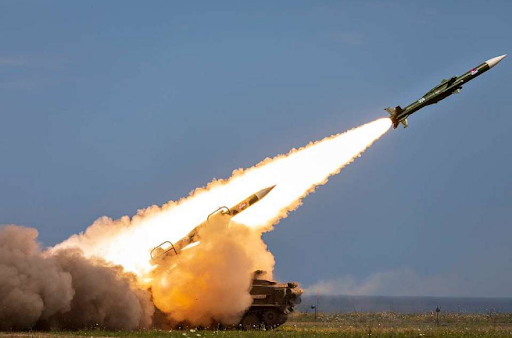
The weapons package triggering Beijing’s fury encompasses eight distinct military agreements establishing a new pinnacle for US-Taiwan defense cooperation. The package features 420 Army Tactical Missile Systems, sophisticated munitions similar to those America deployed in Ukraine’s defense against Russian military forces. Advanced drone platforms and medium-range missile systems complete the deal, providing Taiwan with significantly enhanced defensive and surveillance capabilities.
Major contractors Northrop Grumman Systems Corporation and L3Harris Maritime Services join Boeing on the sanctions roster, with additional penalties targeting industry leadership personally. Ten individuals, including Anduril Industries’ founder and nine senior executives from various sanctioned companies, are now permanently barred from Chinese territory. A Chinese foreign ministry spokesman declared Taiwan the most critical issue in bilateral relations, warning that crossing this fundamental “red line” would meet with forceful reactions and demanding Washington cease arming the island.
The State Department justified the massive weapons transfer by citing legal mandates to provide Taiwan with adequate defensive capabilities. Officials characterized the sales as advancing American national interests while promoting regional political stability and military balance. The fundamental dispute over Taiwan’s status—China’s demand for reunification versus Taiwan’s democratic rejection of such integration—continues generating substantial friction in US-China relations, already strained by escalating trade conflicts and reciprocal tariff battles.