
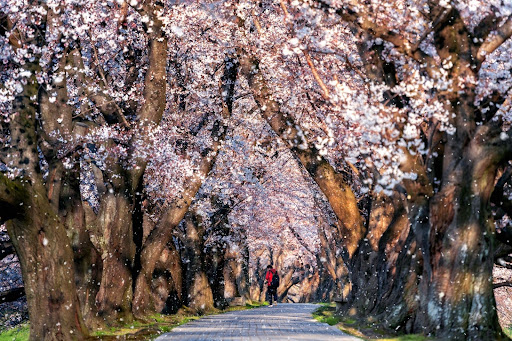
India’s blossom season offers a unique opportunity to view some of the country’s most iconic historic sites through a floral frame. In Jammu & Kashmir, the Mughal gardens of Shalimar and Nishat were designed specifically to be viewed in tandem with the spring awakening. The symmetry of the architecture and the wild beauty of the blossoms create a visual harmony that has lasted for centuries.
In Uttarakhand and Himachal Pradesh, rustic wooden temples and colonial-era guesthouses are often surrounded by ancient fruit trees. When these trees are in full bloom, they soften the edges of the built environment, creating a picturesque “fairytale” aesthetic. This blend of history and nature is a major draw for architecture enthusiasts and history buffs.
The relationship between these sites and their seasonal flora is a testament to the sophisticated landscape planning of the past. Builders and gardeners worked together to ensure that the structures would be enhanced by the surrounding vegetation throughout the year. The blossoms are not just an addition to the site; they are an integral part of its design.
Photographers often seek out these locations to capture the contrast between the permanent stone or wood and the ephemeral petals. A pink cherry tree standing next to a weathered mountain shrine is a powerful image of the intersection between human faith and natural cycles. These sites offer a timeless perspective on the beauty of the subcontinent.
Preserving both the historic structures and the surrounding orchards is a complex but necessary task. It requires a holistic approach to heritage management that considers the entire cultural landscape. By protecting these sites, we ensure that the “architecture of spring” continues to inspire future generations.