
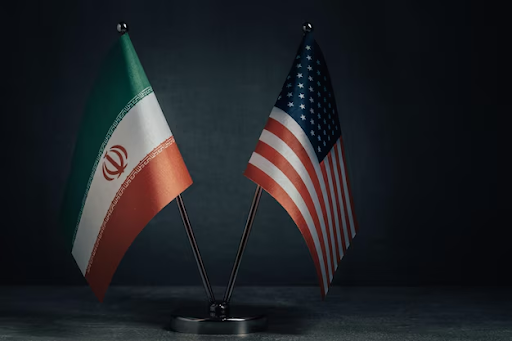
The geography of the Iran-US confrontation came into sharp focus on Tuesday, as nuclear diplomats met in landlocked Geneva while naval forces maneuvered in the strategic waters of the Gulf of Oman and the Strait of Hormuz. The simultaneity of diplomacy and military posturing defined a day that was, in its own way, a microcosm of the entire Iran-US relationship.
In Geneva, Foreign Minister Araghchi reported constructive progress in the second round of indirect nuclear talks, confirming agreement on guiding principles and a commitment to exchange draft texts before a third meeting in roughly two weeks. The talks were facilitated by Oman — a country that borders both the Gulf and the Strait and has maintained good relations with both Tehran and Washington.
The nuclear substance discussed in Geneva revolved around Iran’s enrichment activities, its stockpile of near-weapons-grade uranium, and IAEA verification protocols. Iran offered to dilute its 60% enriched uranium and expand IAEA access, presenting these as genuine confidence-building measures. The US continued to press for a complete halt to all domestic enrichment, which Iran categorically refused.
In the waters beyond the conference room, Iran announced partial closures of the Strait of Hormuz for naval exercises, a move that rattled commercial shipping markets. Iran’s Supreme Leader Khamenei also issued pointed warnings to US warships in the region, while the American military continued expanding its naval presence in response to what it described as Iranian provocations.
The combination of nuclear diplomacy and military maneuvering was not incidental — it was deliberate on both sides. For the US, the naval buildup was leverage. For Iran, the exercises and Khamenei’s threats were signals that Tehran would not be coerced into an unfavorable deal. The question was whether either side’s pressure tactics would eventually produce a breakthrough — or a catastrophe.