
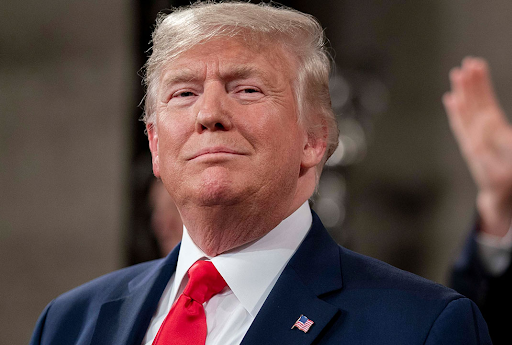
Given the high-profile nature of Donald Trump’s Nobel Peace Prize nomination, the Norwegian Nobel Committee’s decision this year will be interpreted not just by who wins, but by who doesn’t win. By choosing any of the other hundreds of nominees, the committee will be issuing a powerful, albeit silent, rebuke of Trump’s brand of politics and his vision of the world.
Trump has successfully framed the prize as a referendum on his legacy. He has publicly stated that he “deserves” it and that if he doesn’t win, it’s because the system is corrupt. This sets up a dynamic where the committee’s choice is inevitably seen through the lens of his candidacy.
Imagine the committee awards the prize to a group of climate scientists. This would be seen as a direct rebuttal of Trump’s climate denialism. If they award it to a press freedom organization, it would be a statement against his attacks on journalists. If they award it to a multilateral institution, it would be a clear endorsement of the global cooperation he has scorned.
The committee is aware of this dynamic. They know the world is watching and that their choice will be parsed for its political meaning. By selecting a laureate who embodies the values of multilateralism, human rights, and scientific consensus, they can reassert the prize’s core principles in the face of Trump’s challenge.
This makes the act of not choosing Trump almost as significant as the act of choosing the winner. It will be the Nobel’s way of saying that the path to peace lies not in nationalism and disruption, but in the patient, collaborative work that their chosen laureate represents. The silence on Trump’s name will speak volumes.