
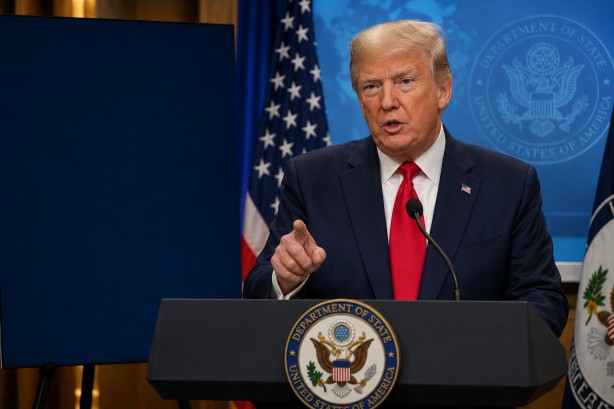
The United States has rolled out a fresh set of sanctions targeting Iran and those continuing business relations with Tehran, in a bid to amplify economic pressure on the Iranian regime. US Treasury Secretary Scott Bessent detailed that these measures will broaden the application of secondary sanctions against nations, companies, and entities engaged with Iran economically. He issued a caution to businesses that persisting in dealings with the Iranian government may result in US-imposed penalties.
This strategic move aims to curtail Iran’s access to international revenue streams and diminish its financial capability to support government operations, without immediately resorting to military interventions. Although Washington has not specified a timeline for countries or corporations to cease their engagements with Iran, officials have signaled that US tolerance is limited.
The sanctions emerge amidst Iran’s escalating economic woes. The Iranian rial has experienced a significant decline, and the limitations on oil exports have further strained what is among the nation’s crucial revenue sources. This economic squeeze could potentially strain relations with countries that continue economic interactions with Iran, such as China, Russia, India, Pakistan, Qatar, and Turkey.
President Donald Trump has described the situation in Iran as increasingly fragile, as the US intensifies efforts to negotiate a broader agreement with Tehran. These diplomatic efforts are occurring alongside separate talks concerning the Strait of Hormuz. The success of the newly imposed sanctions will largely hinge on the extent of compliance from other countries and businesses with Washington’s restrictions, as well as their effectiveness in significantly reducing Iran’s foreign revenue access.