
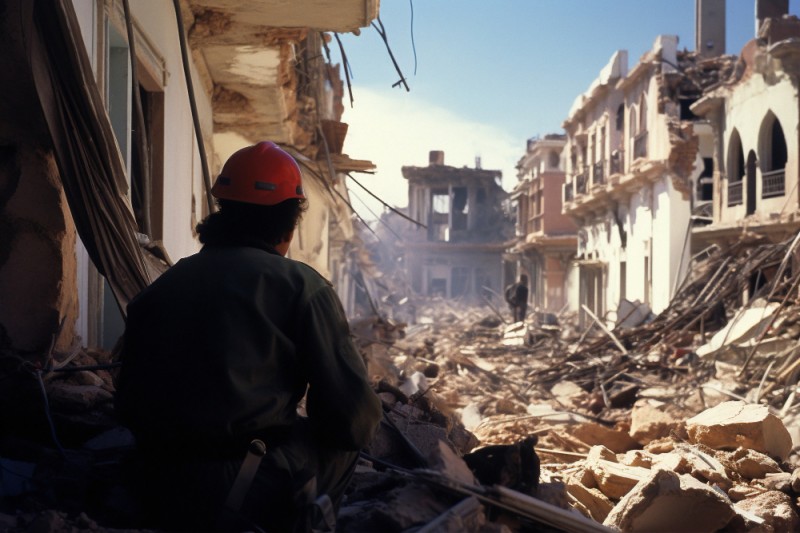
In the aftermath of devastating earthquakes that rocked Venezuela on June 24, a global wave of offers for aid has emerged, led by the United States, Iran, Cuba, China, and numerous European and Latin American countries. The twin tremors have left a grim trail of destruction, claiming over 160 lives, injuring hundreds, and leveling buildings in Caracas and northern regions. Search and rescue teams are tirelessly working through the debris in a race against time to find survivors and provide crucial emergency support.
This natural disaster hits Venezuela amid a backdrop of severe humanitarian challenges, including economic turmoil, healthcare shortages, and crumbling infrastructure. Aid organizations have highlighted that the country’s emergency response capabilities were already under severe strain prior to the earthquakes, exacerbating concerns about the nation’s ability to cope with the added crisis.
The United States has unveiled plans for a significant aid initiative, while Cuba has dispatched medical personnel to offer immediate assistance to the hardest-hit communities. Regional neighbors such as Mexico, Brazil, Ecuador, and the Dominican Republic have also stepped up, pledging their support to Venezuela during this critical time.
European countries, including Spain, France, Germany, the Netherlands, and Switzerland, are committed to sending rescue teams, equipment, and logistical resources. Iran and China have also signaled their willingness to contribute to the emergency response efforts. International organizations emphasize the deployment of specialized rescue teams to enhance the search for survivors and bolster recovery operations.
With millions of Venezuelans already reliant on humanitarian aid before the earthquakes, the disasters threaten to deepen the ongoing crisis unless sustained international support is mobilized. Officials underscore that continuous global assistance will be vital as Venezuela navigates the path to recovery in the weeks and months ahead.