
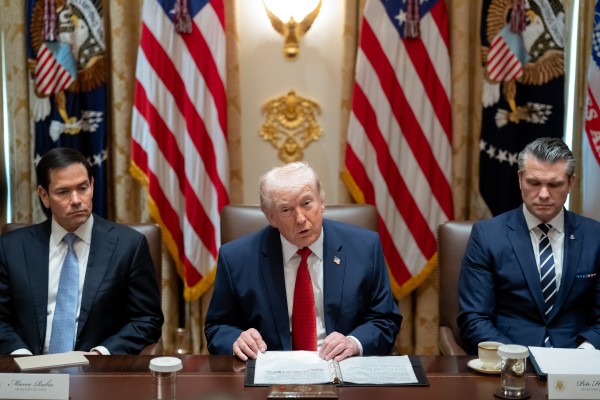
Tensions flared between US President Donald Trump and Republican Senator Bill Cassidy during a recent Senate Republican luncheon, highlighting divisions within the party over the administration’s handling of the Iran conflict and legislative priorities. The confrontation reportedly centered around Trump’s questioning of lawmakers’ support for the War Powers Act resolution, which seeks to limit the president’s authority to initiate military action against Iran. Senator Cassidy, a supporter of the resolution, pressed Trump for greater transparency concerning the conflict, emphasizing the necessity for lawmakers to be informed about the military operation’s objectives and progress.
The exchange became heated, with both Trump and Cassidy raising their voices before the situation was eventually calmed. This incident underscores the growing rifts among Republicans regarding foreign policy and legislative strategies as they gear up for the upcoming elections. The discord was further compounded by Trump’s decision to delay signing a bipartisan housing bill that had successfully passed through Congress. The President tied the bill’s approval to the passage of the Save America Act, which proposes stricter voter identification requirements and limits on mail-in voting.
The delay in the housing bill’s signing has drawn criticism from Democrats, who argue that the legislation is crucial for tackling rising housing costs, accelerating construction, and enhancing affordability for American families. Meanwhile, several Republican senators have voiced their frustration over the internal disagreements within the party, particularly regarding the intertwined issues of foreign policy and election legislation.
The confrontation between Trump and Cassidy sheds light on the broader challenges facing the Republican Party as it navigates internal divisions and attempts to align its legislative agenda with the administration’s priorities. As the party seeks to solidify its strategy ahead of the elections, these disputes may continue to play a significant role in shaping the political landscape.