
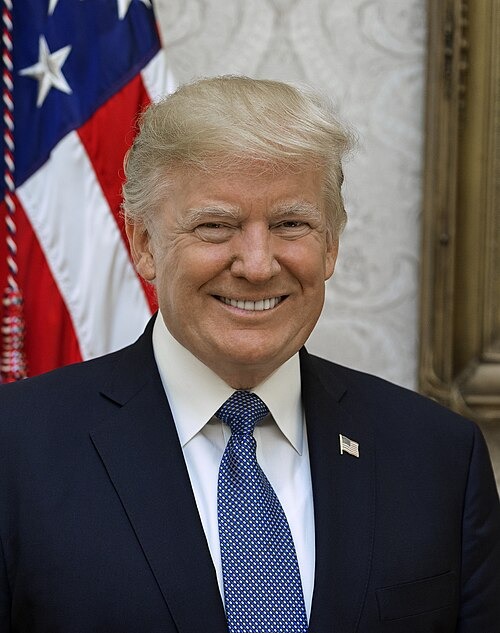
The ceasefire between the United States and Iran is facing severe challenges, with President Donald Trump describing it as being on “life support.” Trump has indicated the possibility of resuming US navy escorts for ships navigating the Strait of Hormuz to counter the Iranian blockade of this crucial passageway. Despite Iran’s recent peace proposals, Trump dismissed them as nonsensical and rejected any notion that domestic pressures are influencing his decision-making.
Commenting on the ceasefire, which has been in place since April 7, Trump expressed skepticism about its durability, likening it to a patient with a slim chance of survival. He criticized the Iranian proposals he received, stating he did not bother to finish reading what he referred to as a “piece of garbage.” The US had previously set conditions for easing tensions, primarily aimed at curbing Iran’s nuclear ambitions, but Iran’s counter-offers were quickly rejected by Trump.
Last week, Trump halted “Project Freedom,” an initiative to provide military escorts for oil tankers through the strait, after only two days. This pause was intended to allow Iran time to respond to US peace offers. However, the plan faced opposition from Saudi Arabia, which expressed concerns over potential escalation and refused to support the initiative via its airspace or bases.
Iran’s firm stance has further complicated the situation, particularly after oil prices surged in response to their declaration that talks would not proceed unless their conditions were met. This includes demands for the end of ongoing conflicts, the lifting of sanctions, compensation for war damages, and recognition of Iran’s sovereignty over the Strait of Hormuz.
Maj Gen Mohammad Ali Jafari, a former commander of the Islamic Revolutionary Guard Corps, emphasized that without these demands being met, Iran sees no room for further negotiations. As tensions remain high, the potential for a resolution appears increasingly remote, with both sides showing little willingness to compromise.