
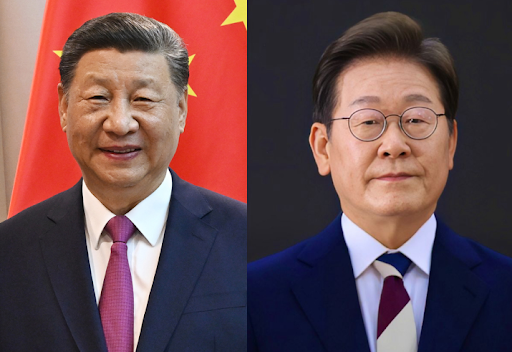
Chinese President Xi Jinping’s visit to Seoul was built on a message of “mutual respect” and “friendly consultation,” but that diplomatic language clashed with the harsh realities facing South Korean President Lee Jae Myung. Lee is contending with public anger, a defiant North Korea, and the unrelenting squeeze of the U.S.-China rivalry.
The call for “mutual respect” was a central theme for Xi, a signal that Beijing wants a stable relationship, particularly on the economic front. This was backed by the signing of seven new economic agreements, including a currency swap, which Chinese state media presented as the main takeaway of the summit.
However, this calm narrative was contradicted by the reality on the streets of Seoul. Hundreds of protesters rallied against Chinese influence, showing a distinct lack of “mutual respect” from a segment of the South Korean public. This put President Lee, who has tried to manage such dissent, in an awkward position.
The “friendly consultation” message also failed to apply to North Korea. Lee’s attempt to consult with Xi to find a path for dialogue with Pyongyang was instantly rendered moot. North Korea’s public statement dismissing the effort as a “pipe dream” was anything but friendly, and it highlighted Seoul’s impotence.
Finally, the U.S.-China rivalry made “mutual respect” difficult. The summit followed a visit by U.S. President Trump, and Lee was obligated to raise the 2017 THAAD missile dispute, a U.S. security measure China finds deeply disrespectful to its own security interests. This left Seoul to manage the gap between China’s message and the world’s messy reality.