
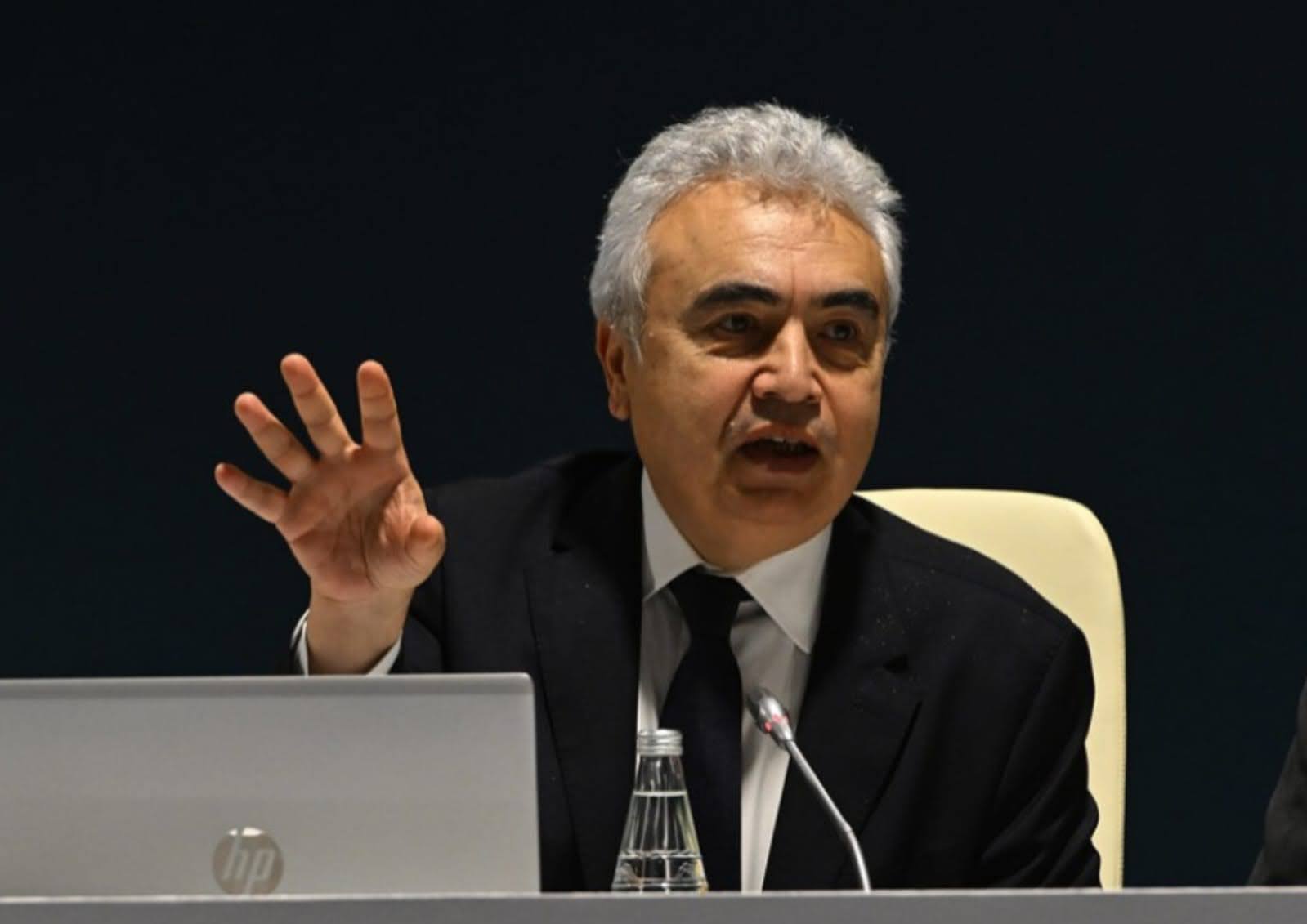
The International Energy Agency’s strategic reserve system is performing as designed during the Iran crisis, but it was built for smaller emergencies than the one the world now faces, according to IEA chief Fatih Birol. Speaking in Canberra, he acknowledged that the record 400 million barrel release on March 11 — while the largest in history — represented only 20 percent of available stocks, leaving room for further action. But he also warned that even full deployment of all available reserves could not substitute for the 11 million barrels of oil per day being lost from global markets.
Birol described the crisis as the equivalent of the 1970s twin oil shocks and the Ukraine gas emergency combined, representing an emergency on a scale the strategic reserve system was not originally designed to address alone. The conflict began February 28 with US and Israeli strikes on Iran and has since led to the closure of the Strait of Hormuz and severe damage to at least 40 Gulf energy facilities. Gas losses of 140 billion cubic metres have also exceeded previous crisis benchmarks.
The IEA designed its strategic reserve system following the 1973 oil crisis to provide a buffer against supply disruptions. That system has been tested multiple times, but never against losses on this scale or with this level of infrastructure damage. Birol said the current crisis demonstrated the need for both a more robust reserve system and better mechanisms for international coordination during major energy emergencies.
Demand-side measures including remote working, lower speed limits, and reduced air travel were also being implemented by member governments. Birol said these steps were helping to reduce market pressure but acknowledged they were not sufficient to fully offset the scale of supply loss. The fundamental solution, he reiterated, was the reopening of the Hormuz strait.
Iran threatened retaliatory strikes on US and allied energy and water infrastructure after Trump’s ultimatum expired. Birol met with Australian Prime Minister Anthony Albanese and called for sustained international engagement. He said the current crisis should prompt a fundamental review of whether the global strategic reserve system needed to be expanded and upgraded to handle twenty-first-century energy emergencies.