
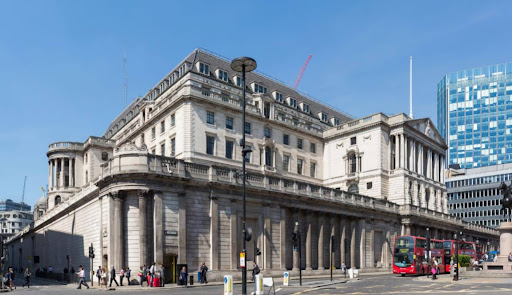
The pound rose against the dollar on Thursday after the Bank of England sent hawkish signals alongside its unanimous decision to hold rates at 3.75%, with financial markets interpreting the central bank’s communication as an indication that borrowing costs could rise in the months ahead. The move in sterling reflected expectations of tighter monetary policy relative to other major economies, driven by the Iran war’s energy price impact on UK inflation. The Bank warned that the conflict could push inflation above 3% and require rate hikes before year end.
Currency markets interpreted the Bank’s statement as broadly hawkish. The pound strengthened against both the dollar and other major currencies as traders concluded that the Bank of England was more likely to tighten than ease in the near term. This relative hawkishness stands in contrast to the position of some other major central banks that face a less acute energy price problem.
The source of the Bank’s changed stance is the US-Israel conflict against Iran, which has driven global oil and gas prices sharply higher. For the UK, which imports significant volumes of energy, this represents a direct threat to the inflation outlook. The Bank now expects inflation to rise to approximately 3.5% in March and remain above its 2% target throughout 2026.
Governor Andrew Bailey acknowledged the energy price impact on UK consumers, pointing specifically to rising petrol costs. He warned that if supply disruptions continue, household energy bills could follow later in the year. The Bank, he said, stood ready to act and would not allow a persistent energy shock to result in entrenched inflation above the 2% target.
For UK importers and exporters, the stronger pound has mixed implications. A rising currency reduces import costs but makes British exports more expensive on global markets. In the current environment, the sterling gain is primarily a reflection of the changed monetary outlook, and how long it persists will depend heavily on whether the Bank follows through on the hawkish signals delivered on Thursday.