
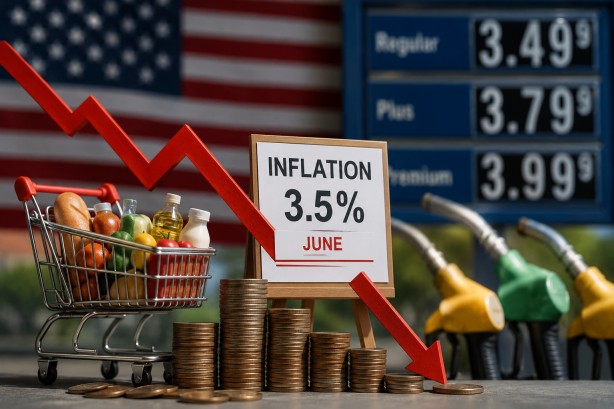
Inflation in the United States moderated to 3.5% annually in June, primarily due to a temporary dip in energy costs, which alleviated some pressure on consumer expenses. The latest data from the Consumer Price Index (CPI) reveals that inflation has eased from the higher levels observed in previous months, with a notable 0.8% decrease in prices compared to May. The decline in gasoline and fuel prices played a significant role in this downward trend, counterbalancing rising costs in other areas such as food, housing, and utilities.
Core inflation, which strips out the more volatile categories of food and energy, and is a key focus for the Federal Reserve, decreased slightly to 2.6% on a year-over-year basis. This measure provides a clearer view of underlying inflation trends and helps the Fed in its policy decisions. Despite the recent slowdown in inflation, concerns linger that these gains may be temporary as geopolitical tensions in the Middle East have begun to push global oil prices upwards once more.
The increase in crude oil prices is already being felt by consumers through higher fuel costs, and industries like aviation and transportation are experiencing elevated operating expenses. This development complicates the inflation outlook, as it could potentially reverse the recent easing trend, affecting both consumer spending power and business costs.
Looking ahead, the Federal Reserve is poised to closely evaluate the latest inflation figures alongside labor market conditions during its forthcoming policy meeting. While the reduction in inflation rates is a positive sign, it remains above the Fed’s long-term target of 2%. This persistent discrepancy creates uncertainty around the timing of possible adjustments to interest rates, as policymakers seek to balance the objectives of controlling inflation and supporting economic growth.