
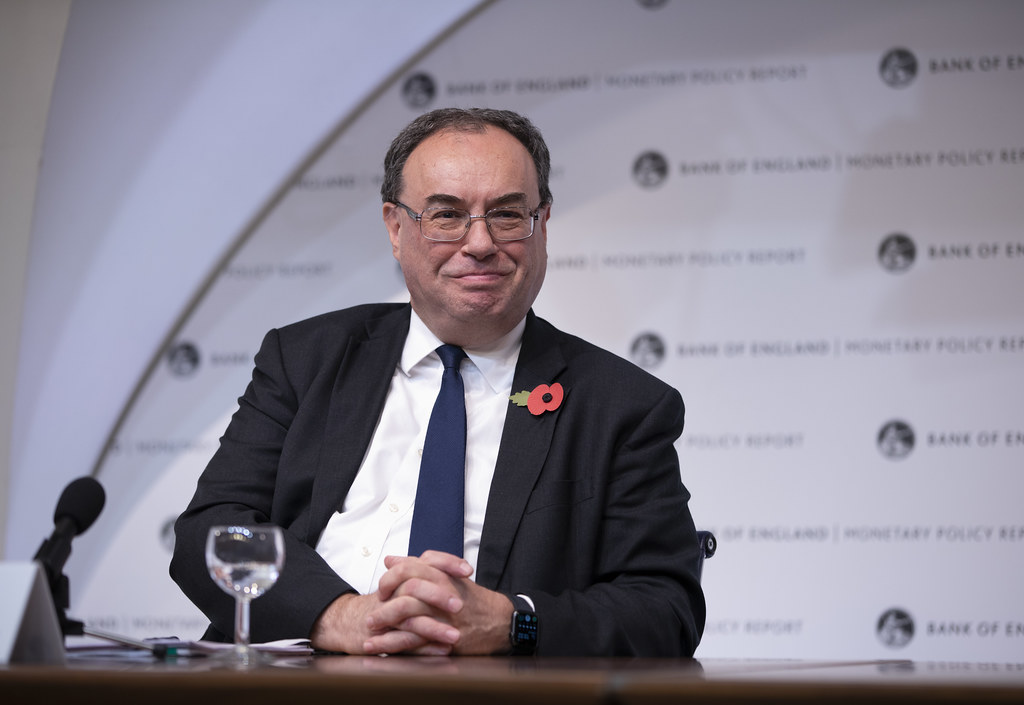
Financial markets witnessed a sharp sterling selloff after Bank of England Governor Andrew Bailey suggested the central bank could accelerate interest rate reductions if the UK’s labor market experiences a steeper decline than currently anticipated. The pound’s descent to $1.3467 marked its lowest level in three weeks, though some recovery was achieved as trading progressed through the day.
The Governor’s commentary emphasized the development of economic slack within the UK economy, attributing part of this weakness to heightened tax burdens on employers. Despite the Bank’s traditionally cautious approach to monetary policy, Bailey’s expressed conviction about the continued reduction of interest rates from their current 4.25% level has resonated strongly with investors, particularly following four consecutive quarter-point cuts over the past year.
Economic indicators have provided substantial support for the Bank’s increasingly accommodative stance, with GDP data revealing unexpected contractions in consecutive months during April and May. These figures have intensified concerns about the UK’s economic resilience, while a KPMG report showing the fastest decline in business hiring activity in almost two years has reinforced fears about employment market stability.
Market expectations have shifted dramatically in response to these developments, with money markets now indicating an 85% probability of a rate cut in August, representing a significant increase from the 76% likelihood recorded at the end of the previous week. This evolution in sentiment occurs as the government grapples with mounting pressure to address deteriorating living standards while managing persistent inflation above the Bank’s 2% target.
Sterling Slides as Bank of England Signals Readiness for Rapid Rate Cuts
Picture Credit: www.flickr.com
72