
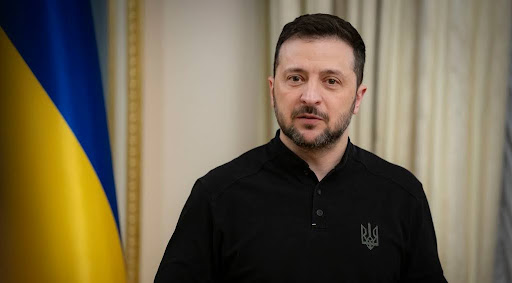
The core argument of the European leaders in Washington is a simple one: they are playing the long game. Their mission to support Volodymyr Zelenskyy is an effort to persuade Donald Trump to prioritize lasting security for Europe over a quick but dangerously unstable fix for the Ukraine war.
This “bodyguard” delegation is there to challenge the short-term thinking behind a peace plan that rewards Russian aggression. Leaders like French President Emmanuel Macron will argue that such a deal is a “non-starter” precisely because it would create more problems than it solves, inviting future conflict.
The European vision, articulated by figures like Ursula von der Leyen with her “steel porcupine” concept, is one of long-term deterrence. They believe that only a strong, sovereign, and defensible Ukraine can guarantee a stable peace on the continent.
This focus on the long game directly contradicts Trump’s desire for a rapid, headline-grabbing deal. The European leaders’ task is to convince him that a patient, principled approach is not only better for Ukraine and Europe but is also the wiser course for American interests.