
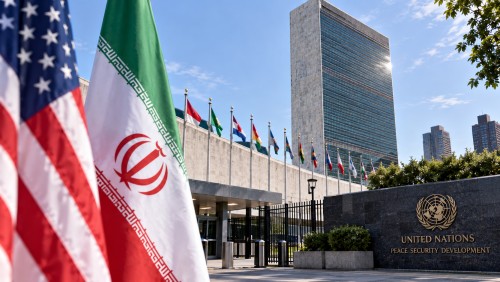
The United States has confirmed that it will grant visas to senior Iranian officials, allowing them to attend the upcoming United Nations General Assembly in New York, despite ongoing tensions between Washington and Tehran. This decision aligns with the U.S.’s obligations as the host nation of the U.N., according to the State Department.
Iranian President Masoud Pezeshkian and Foreign Minister Abbas Araqchi are among the officials expected to receive visas. However, the Iranian delegation will face restrictions similar to those previously imposed, limiting their movement to designated areas such as the U.N. headquarters, Iran’s U.N. mission, and the ambassador’s residence in New York.
This decision comes amid intermittent diplomatic efforts between the U.S. and Iran aimed at resolving the conflict that ignited on February 28. The hostilities followed a series of U.S. and Israeli strikes on Iran, prompting retaliatory attacks by Tehran against Israel and Gulf states with U.S. military bases.
Under the 1947 agreement that established the U.N. headquarters in New York, the U.S. generally permits foreign diplomats to access U.N. meetings. However, Washington retains the right to deny visas on security, terrorism, or foreign policy grounds. In contrast to its stance on Iran, the U.S. has opted to deny entry to Palestinian officials, including President Mahmoud Abbas, for the General Assembly.
The situation remains complex as the U.S. navigates its diplomatic obligations while maintaining its security and foreign policy interests. This year’s U.N. General Assembly will be watched closely for any developments in the U.S.-Iran relations.