
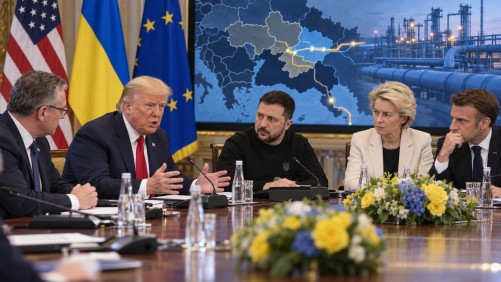
US President Donald Trump has signed an executive order that eases sanctions and tariffs on Russia’s energy sector, raising concerns about the U.S.’s ongoing support for Ukraine amid its conflict with Russia. This decision follows the recent legislation allowing the U.S. president to impose tariffs of up to 100% on major buyers of Russian oil and gas, targeting its energy and defense sectors.
In response to these developments, Ukrainian President Volodymyr Zelensky has called on European Union leaders to sustain pressure on Moscow and provide increased financial and military support to Kyiv. After discussions in Brussels, Zelensky requested an additional €70 billion (approximately US$79 billion) for the upcoming year and appealed for more Patriot air defense missiles to protect against Russian attacks.
The relationship between Washington and Kyiv has shown signs of strain, as Trump criticized Ukraine following Zelensky’s directive for renewed strikes on Russian oil refineries. Tensions have also flared over disruptions in satellite-based communications used by Ukrainian forces. SpaceX CEO Elon Musk denied any involvement by his company, and a U.S. official denied Trump’s intervention in the matter.
European leaders have reiterated their commitment to supporting Ukraine. European Council President António Costa emphasized the importance of continued assistance and increased pressure on Russia. Other EU leaders indicated they would assess Ukraine’s additional funding needs, with the EU already disbursing funds from a €90 billion loan aimed at supporting Ukraine through 2027.
However, Ukrainian authorities warn of a significant funding shortfall as Russia’s ongoing attacks continue to damage the country’s economy and infrastructure. Discussions have been renewed around utilizing approximately €200 billion in frozen Russian central bank assets for Ukraine’s defense and recovery. This proposal, however, faces resistance, particularly from Belgium, where most of these assets are held.