
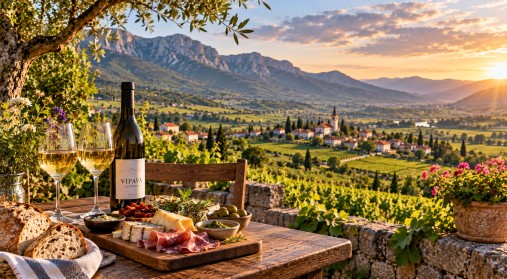
Nestled in Slovenia’s southwest, the Vipava Valley is gaining traction as a premier spot for travelers seeking a blend of wine, regional cuisine, and outdoor pursuits. Characterized by its vineyards, unique karst landscapes, and traditional villages, the valley offers a distinct charm. Its geographical position, stretching between mountain slopes and fertile plains with the Vipava River meandering through, adds to its allure. Proximity to the Italian border further enhances its appeal for those exploring the broader area around Nova Gorica.
A defining feature of Vipava is the burja, a powerful wind descending from the Alps that shapes the local climate and agricultural practices. This climate, along with the dry karst terrain, has fostered a strong tradition in wine and preserved foods. Vineyards dot the hills, making wine an integral part of the valley’s tourism. The presence of small producers and traditional wine estates reinforces a landscape where agriculture remains a key component of the region’s identity.
The culinary landscape mirrors the local ethos, offering fresh cheeses from sheep and goat milk, alongside cured meats, vegetables, herbs, and artisanal dishes. These traditional recipes coexist with contemporary takes on regional cuisine, enriching the gastronomic experience. Meanwhile, the valley also invites exploration of its historic rural architecture. Many former farm buildings and traditional homes are being converted for tourism, preserving their original character while expanding accommodation options in villages with limited lodging facilities.
Cycling enthusiasts will find the valley ideal, with routes weaving through vineyards, villages, and farmlands. E-bike paths cater to those looking to navigate the hilly terrain with ease, while hiking trails provide a closer look at the surrounding karst landscape. For history buffs, the region offers Roman ruins near Ajdovščina and the fortified hamlet of Vipavski Križ, both serving as gateways to the valley’s rich past.
One of the valley’s most compelling attributes is its relatively low tourist influx, which contributes to its charm. The development of tourism is a gradual process, emphasizing local food producers, wineries, family-run businesses, and outdoor activities. As a result, the Vipava Valley presents a diverse array of experiences for travelers seeking a leisurely European escape, from scenic vineyards and regional cuisine to historic villages and active outdoor adventures.